

Description
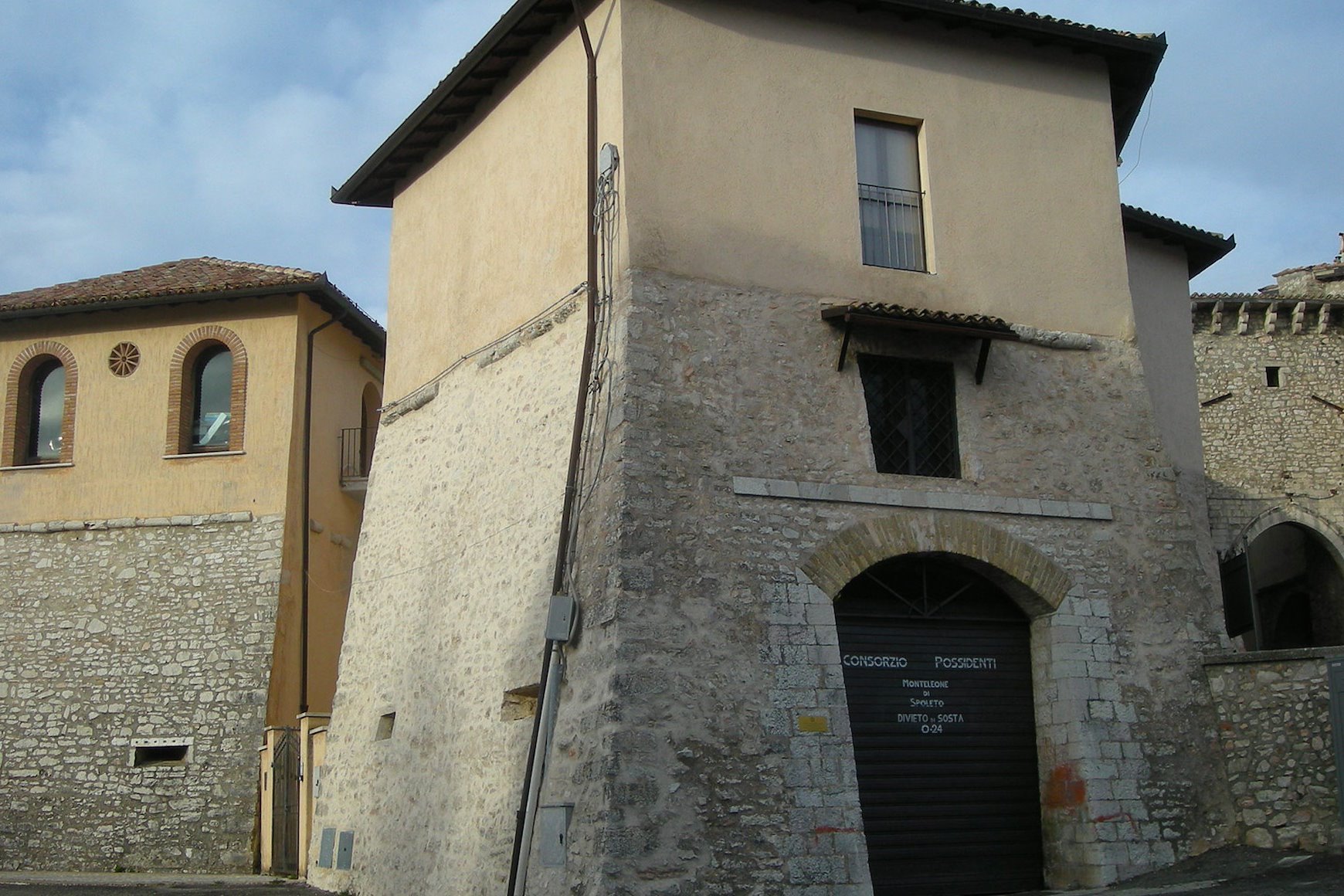
This association, formed by the local landowners, resident and domiciled in Monteleone, administers the municipal land assets and provides for their collective usufruct. The Consortium of Landowners of Monteleone of Spoleto is officially born in 1906, including the local Monte Frumentario. This association, formed by the local landowners domiciled in Monteleone, administers the municipal land assets and provides for their collective usufruct. The property consists of the use of four mountains, the arable land in the communal area and two buildings (the House next to the Civic Theatre and the former Monastery of Santa Caterina), plus the Churches of the Cross and of the Madonna delle Grazie. From the late XVIII century there is the sale of assets, with the affirmation of the emerging middle class (Torlonia family stands out in Monteleone). In 1894 a law is issued that requires the establishment of agricultural associations for the recognition of the civic uses. The Consortium of Landowners of Monteleone of Spoleto is officially born in 1906 (with acts also issued previously, since 1867). The institution's headquarter, which collects a discrete historical archive, fundamental for the study of the historic transformation of the land in the last three centuries, is situated at the number 4 in Largo Carlo Innocenzi (already Piazzetta Spoleto), in correspondence of the bastions of San Giacomo. It includes also the Monte Frumentario, charity institution born in the various municipalities at the end of the fifteenth century for the loan of grain, at favorable prices, to the poor farmers and to other pious socio-laic institutions. The Consortium is formed by the local landowners, which have residence and domicile in Monteleone. The primary purpose is to administer the communal property and land and to provide for their collective beneficial interest by protecting their rights to "civic uses" by the consortium (the civic use arises in Feudal ages as a right of the community to the enjoyment of some land in the form of hunting, grazing, wood gathering, planting and other duly covered forms of exploitation. A different development starts to grow during the twentieth century, when there is the liberation and privatization of the lands). The control of the exploitation of wooded and grazing areas, in addition to the arable lands, is entrusted to this Consortium. The institution's capital is composed, since its foundation, of the use of four mountains, the arable land in the Municipal area, two buildings in the country (the house next to the Civic Theatre and to the former Monastery of Santa Caterina) and the Churches of the Cross and of Madonna
della Grazie. The first article of the Administrative Regulation of 14th October 1906 states that the institution “has its origins in a convention established between the landowners of the municipality of Monteleone di Spoleto, domiciled and resident therein, and the Congregation of Buongoverno, after the seizure of communal property occurred by the will of Pio VII in 1801.” From the late XVIII century there is the sale of the consortium goods in order to extinct municipal debts. The emerging middle class buys many of these properties. With the birth of the Italian State no substantial changes occur, being guaranteed the right to the land ownership and entrusting the collective assets to the Municipal management. In 1894 a reforming law of civic uses in the former Papal States and Emilia is issued, which requires, for the recognition of such rights, the establishment of agricultural associations. These, depending of locations, take on different names (Comunanza, University, Consortium). From XIX century the Torlonia family stands out among the landowners, which since 1906 is accompanied by the newly born Consortium.
Image gallery


